IIM Mumbai AVARTAN Brings Business Students Closer to Industry
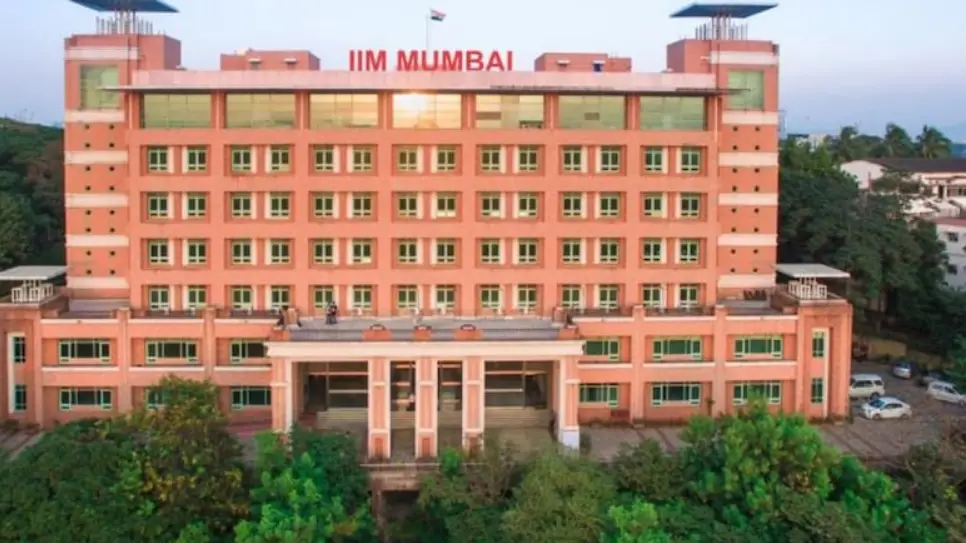
AVARTAN at IIM Mumbai was built around a simple gap that business schools constantly try to close. Students study strategy, finance, operations and marketing in classrooms, but companies make decisions under changing costs, incomplete information and pressure from customers, competitors and regulators. The 30th edition of the festival, held in December 2024, brought more than 8,000 business-school students together with over 250 corporate participants and more than 25 senior executives. That scale made the event less like a conventional campus seminar and more like a temporary meeting point between management education and active corporate practice.
The festival combined scale with several ways to participate
The value of a large business-school event depends on what students can actually do once they arrive. AVARTAN mixed conclaves, workshops, competitions and interactive sessions, which gave participants more than one route into the programme. Some formats were designed around listening to senior executives, while others pushed students to present ideas, solve problems or compete with peers from other institutions. IIM Mumbai’s own material on AVARTAN also highlights competitions that test areas such as finance, project management, debating and problem solving, so the festival was not organised around passive attendance alone.
The main elements can be read as a compact picture of how the event connected academic work with business practice.
- More than 8,000 business-school students formed the core participant base.
- Over 250 corporates and more than 25 senior executives added direct industry exposure.
- Competitions such as Prerana and other case or strategy formats gave students a practical test of classroom skills.
- Workshops and conclaves covered areas including supply chains, sustainability, finance, marketing, human resources and inclusion.
That variety matters because management work rarely stays inside one subject. A supply-chain decision can affect finance and sustainability, while a marketing choice can change operations and customer-service demand. AVARTAN’s structure reflected those overlaps instead of treating each discipline as a separate track with no connection to the rest of the business.
Supply chains and sustainability gave the programme a practical centre
One of the strongest themes was supply-chain management, an area closely associated with IIM Mumbai’s academic identity. The institute’s annual reporting on AVARTAN described discussion around sustainable supply chains and the need to balance environmental goals with profitability and long-term growth. That moves the conversation away from generic statements about sustainability and toward questions managers actually face, including packaging, sourcing, logistics, material choice and the cost of changing established processes.
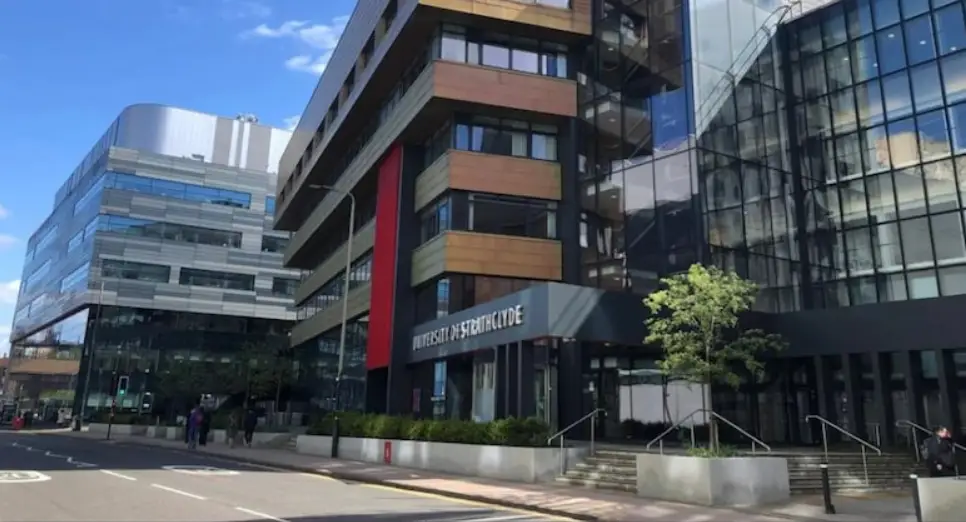
A classroom can explain circular-economy models or ESG targets, but an industry discussion adds the trade-offs. Recyclable material may cost more, a new supplier may reduce environmental impact but complicate logistics, and a lower-carbon process may need capital before it produces savings. Students hearing these decisions from practitioners get a better sense of why corporate sustainability is an operating problem as much as a reporting topic. Readers interested in how business schools create these bridges can also compare the event with the site’s article on international MSc scholarships at Strathclyde Business School, where access to management education is approached from the funding side.
Corporate contact matters when it goes beyond networking
The presence of hundreds of companies created obvious networking opportunities, but the stronger value was repeated exposure to how executives frame problems. Panel discussions, competitions and workshops let students see which skills companies were emphasising and how issues such as AI, innovation, workforce development and sustainability were being discussed outside textbooks. For employers, the same formats offered a view of students working through problems before a formal recruitment process begins.
IIM Mumbai was ranked sixth among management institutions in NIRF 2024, but a ranking alone does not show how often students interact with industry. AVARTAN supplied that second layer. The festival’s size attracted attention, yet its more useful measure was the number of formats in which students could test ideas, hear competing viewpoints and connect academic concepts with current business decisions. That is what makes a corporate festival relevant after the event ends, because the lasting output is not the crowd count but a clearer understanding of how management decisions are made when several priorities collide.